Early Signs of Gum Disease: Symptoms You Should Never Ignore
Discover the early signs of gum disease and learn how to prevent serious dental problems with timely treatment and expert dental care.
Dr. Awanthi
2/27/20262 min read
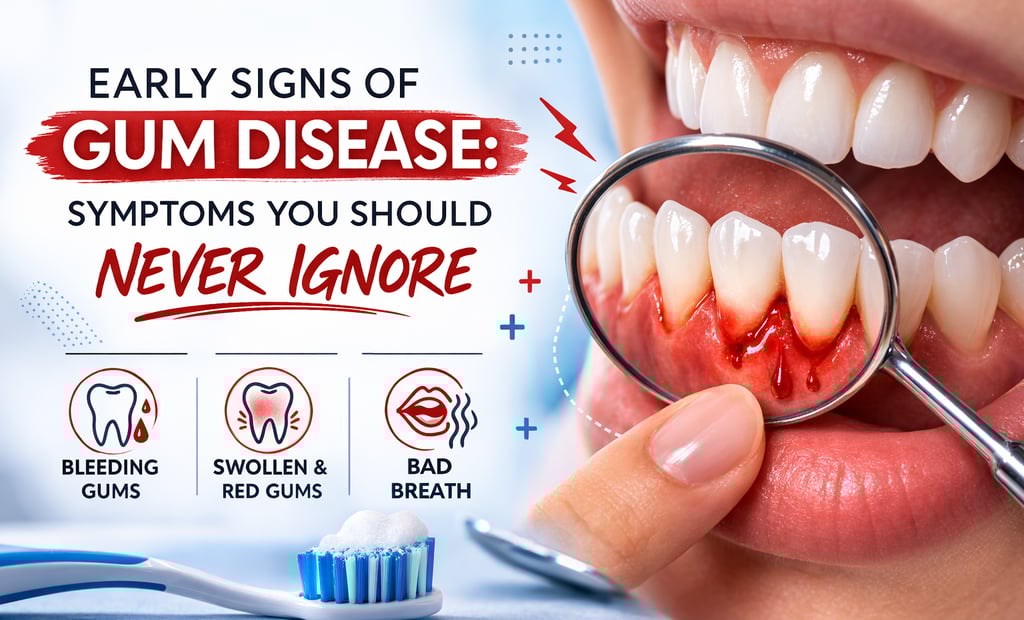
Gum health plays a crucial role in maintaining strong teeth and overall oral hygiene. However, many people ignore the early signs of gum disease, assuming minor bleeding or swelling is normal. The truth is that recognizing the early signs of gum disease can help prevent serious dental complications such as tooth loss, infections, and even bone damage.
What Is Gum Disease?
Gum disease, also known as periodontal disease, is an infection of the tissues that surround and support your teeth. It usually begins with plaque buildup due to poor oral hygiene. When plaque hardens into tartar, it irritates the gums and leads to inflammation.
The earliest stage of gum disease is called gingivitis. At this stage, the condition is reversible with proper dental care and professional cleaning.
Early Signs of Gum Disease You Should Watch For
Identifying the early signs of gum disease can save your smile. Here are some warning signals you should never ignore:
1. Bleeding Gums
If your gums bleed while brushing or flossing, it is not normal. This is one of the most common early signs of gum disease. Healthy gums should not bleed easily.
2. Red, Swollen, or Tender Gums
Inflamed gums are a clear indication of bacterial infection. Swelling and redness are early symptoms that need attention before they progress.
3. Persistent Bad Breath
Chronic bad breath or a bad taste in the mouth may indicate bacterial buildup beneath the gum line.
4. Receding Gums
If your teeth appear longer than before, your gums may be pulling away. Gum recession is one of the early signs of gum disease that often goes unnoticed.
5. Gum Sensitivity
Tenderness or discomfort while chewing can signal underlying gum inflammation.
Why Early Detection Is Important
Ignoring the early signs of gum disease can allow the infection to spread deeper into the gums and supporting bone. Advanced gum disease (periodontitis) can cause:
Loose teeth
Severe gum recession
Bone loss
Tooth loss
Early treatment is simple and effective. Professional scaling and improved oral hygiene can reverse gingivitis and restore gum health.
Risk Factors for Gum Disease
Certain factors increase the chances of developing gum problems:
Poor oral hygiene
Smoking or tobacco use
Diabetes
Hormonal changes (pregnancy)
Stress
Vitamin deficiencies
If you fall into any of these categories, regular dental checkups become even more important.
How to Prevent Gum Disease
Preventing the early signs of gum disease starts with consistent oral care:
Brush twice daily using a soft-bristled toothbrush
Floss regularly to remove plaque between teeth
Use an antibacterial mouthwash
Schedule professional dental cleanings every 6 months
Maintain a healthy, balanced diet
Routine dental visits allow early diagnosis and timely intervention before serious damage occurs.
When to See a Dentist
If you notice any of the early signs of gum disease, do not delay treatment. Early care is less invasive, more affordable, and highly effective. A dentist can assess your gum condition and recommend appropriate treatment such as scaling, root planing, or preventive therapy.
Protect Your Smile Today
Healthy gums are the foundation of a healthy smile. If you are experiencing any early signs of gum disease, schedule a professional dental checkup today At Dr. Awanthi's Clinic. Early diagnosis can prevent long-term complications and help you maintain strong, confident teeth for years to come.